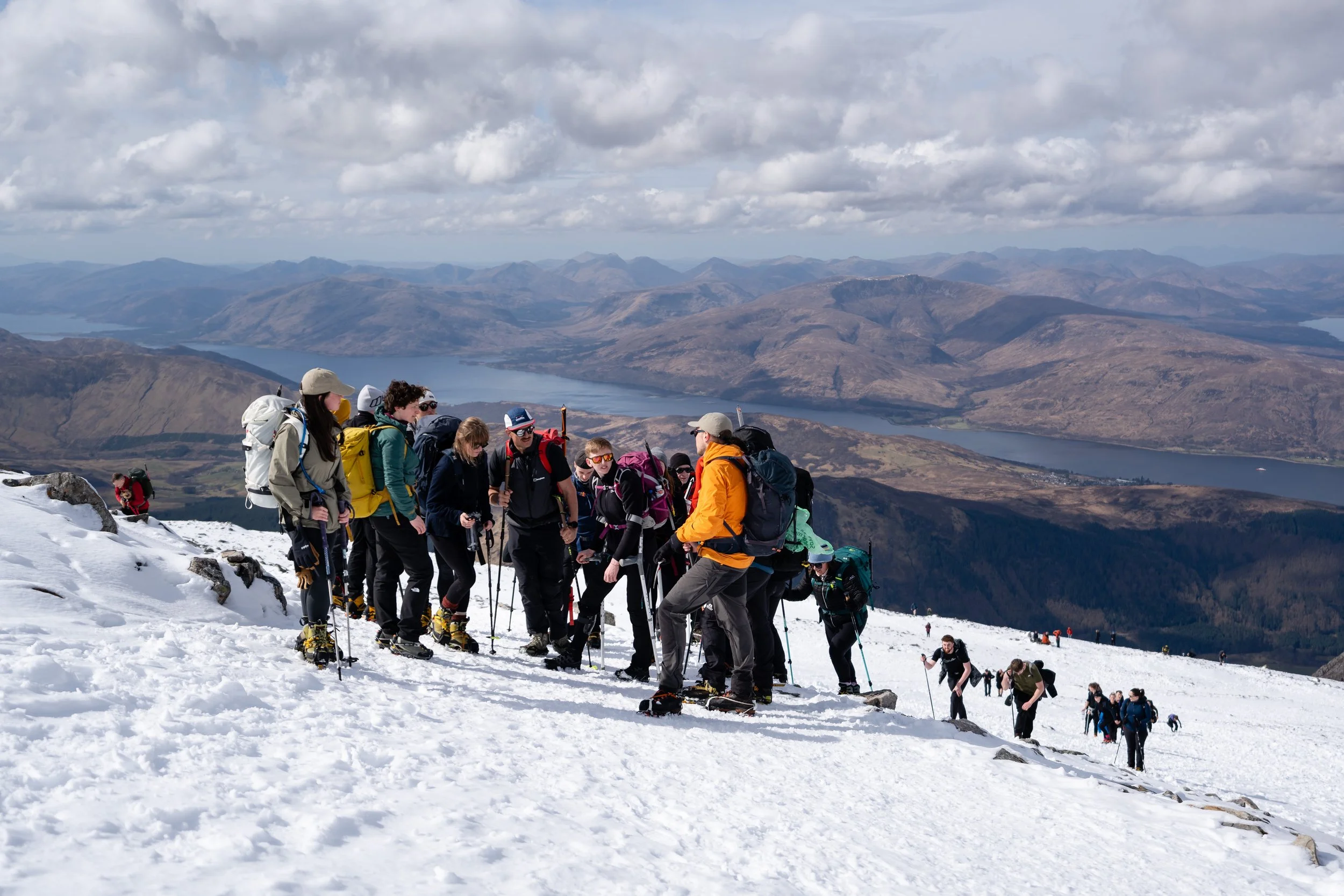
Therapeutic support for outdoor programmes, expeditions & retreats
-
My role involves supporting the emotional and relational aspects of group experiences, helping participants feel safe, connected and able to fully engage with the process, while contributing to the wider facilitation team and overall group environment.
Depending on the nature of the event, my contribution may include:
group contracting and supporting psychological safety
trauma-informed input into programme design and delivery
1:1 support within group environments
wellbeing and grounding check-ins
facilitating group reflection and connection
supporting emotional processing and integration within the group
-
My focus is on building an environment of trust and psychological safety, to strengthen connection, confidence and meaningful engagement for each participant.
I work relationally, staying attuned to the pace and evolving group dynamics, while supporting both structure and flexibility as needed.
This may include holding reflective group spaces, supporting participants through moments of overwhelm or vulnerability, or helping facilitators respond thoughtfully to emotional needs that may emerge.
I aim to bring a grounded and steady presence, supporting people to engage with the experience in their own way while remaining attentive to the needs of the wider group.
-
I work alongside organisers, facilitators, and delivery teams to support the overall design and participant experience of outdoor and experiential programmes.
My approach is grounded in collaboration, clear communication, adaptability, and a shared commitment to creating safe and meaningful experiences for both participants and the wider team.
I partner with:
expedition guides, mountain leaders, and outdoor instructors
retreat facilitators and experiential programme leaders
holistic wellbeing practitioners, including yoga, breathwork, and somatic practitioners
trauma-informed development and recovery programmes
charities and community-based organisations
therapists and mental health practitioners working in group or outdoor contexts
-
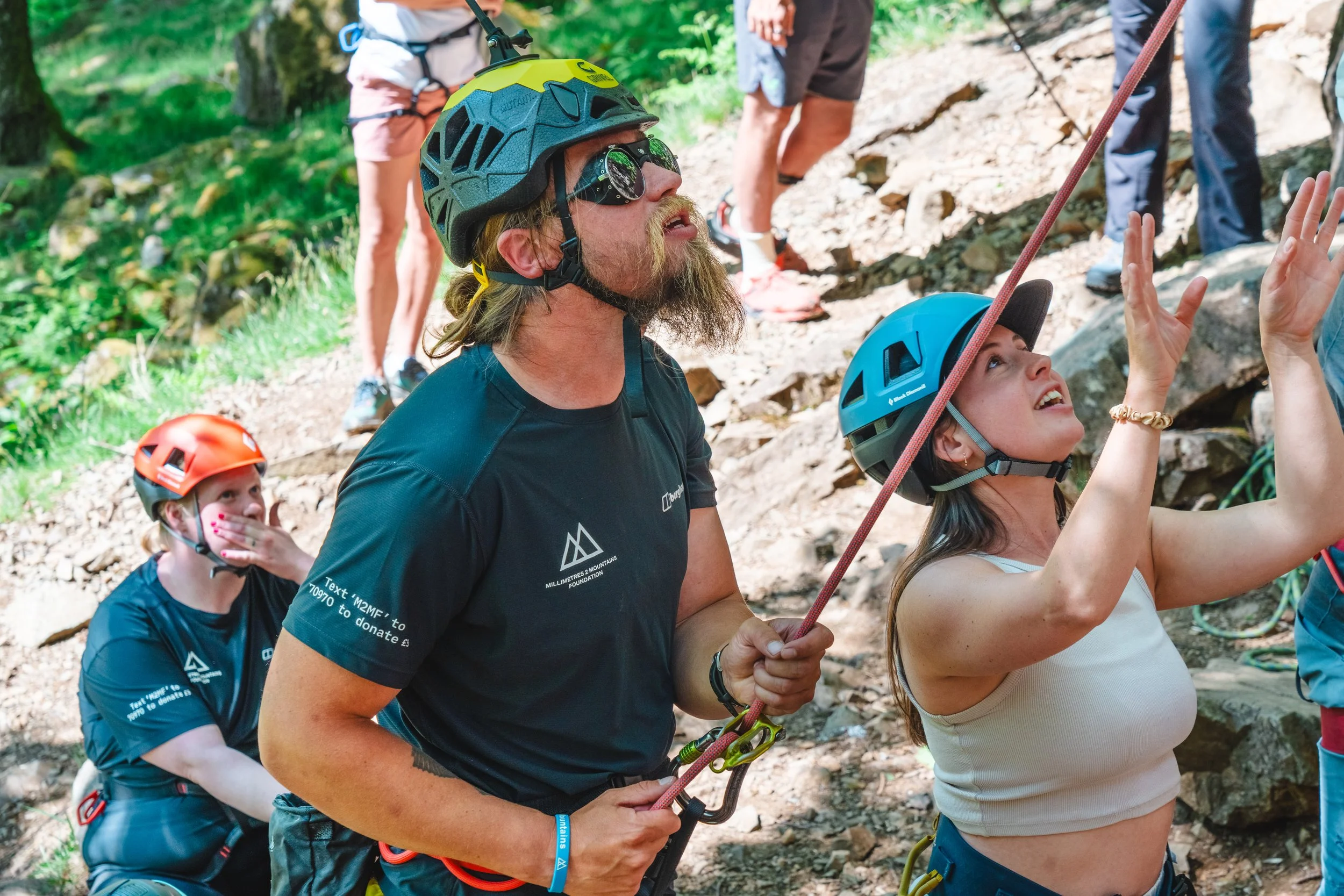
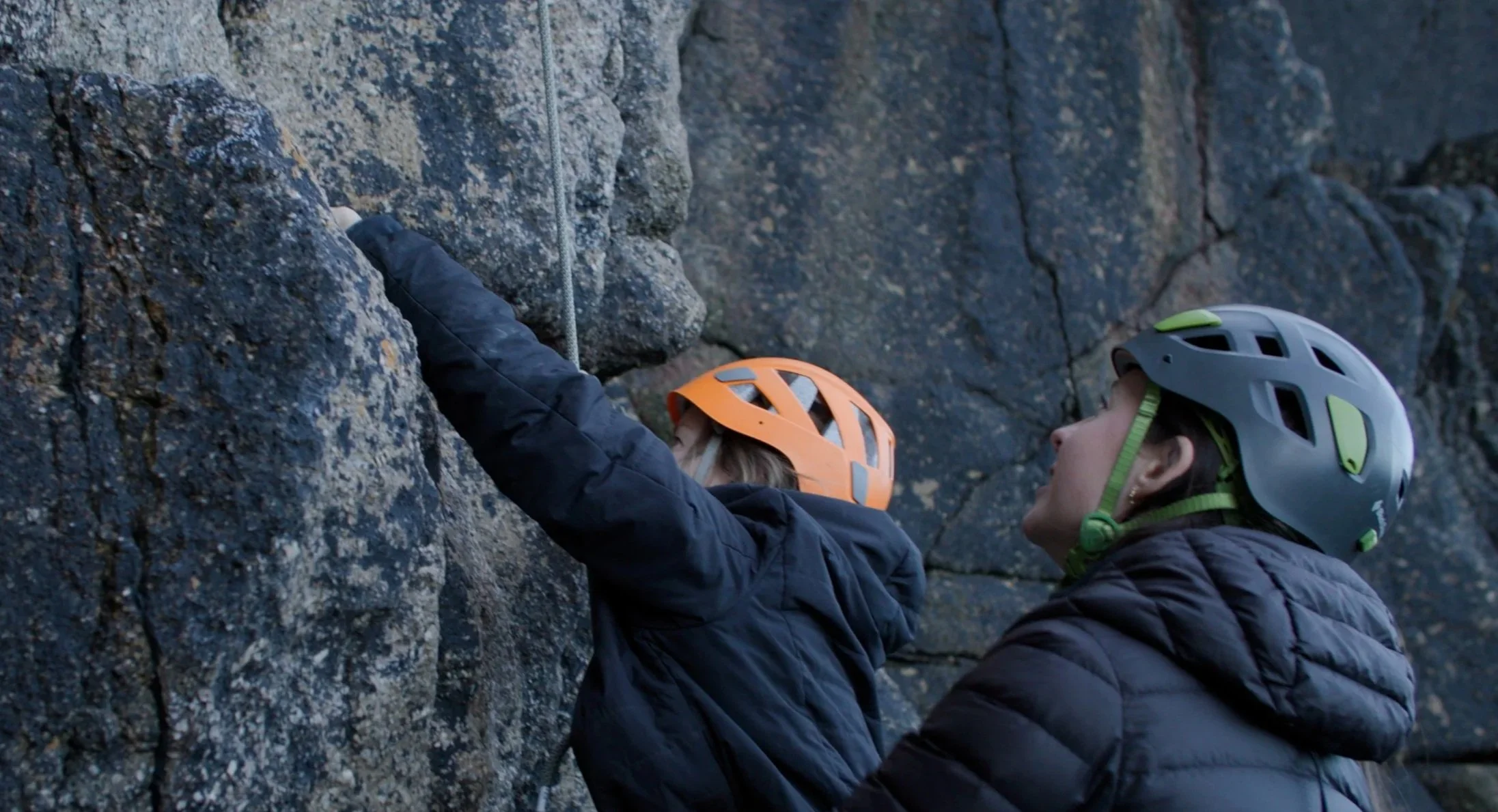
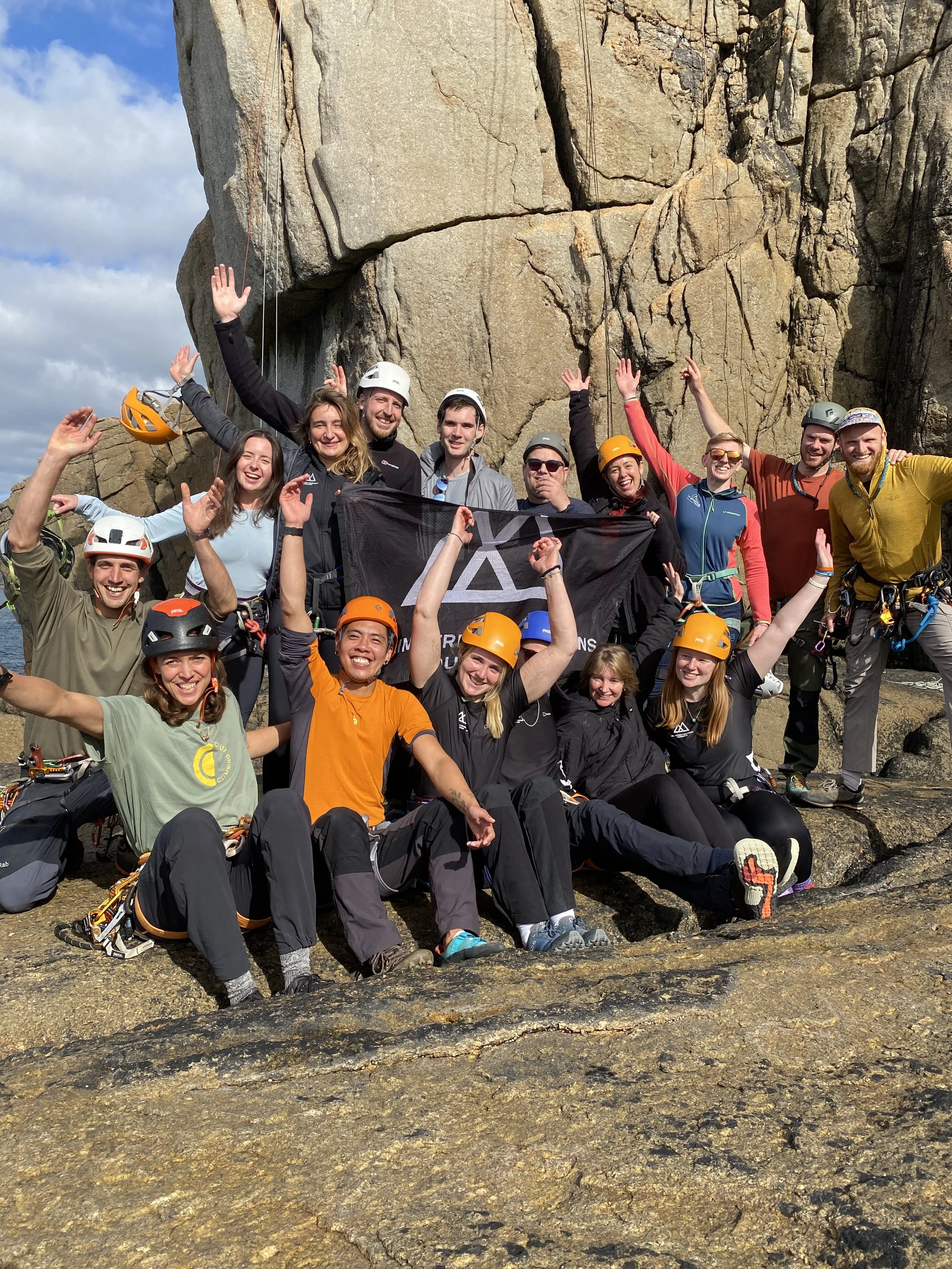
Alongside therapeutic practice, my work with the charity Millimetres 2 Mountains has given me the opportunity to support the design and delivery of outdoor trauma recovery programmes, adaptive expeditions, and community wellbeing events.
These experiences have deepened my appreciation of how shared outdoor experiences can support meaningful connection, resilience, and recovery, in ways that feel empowering and accessible.
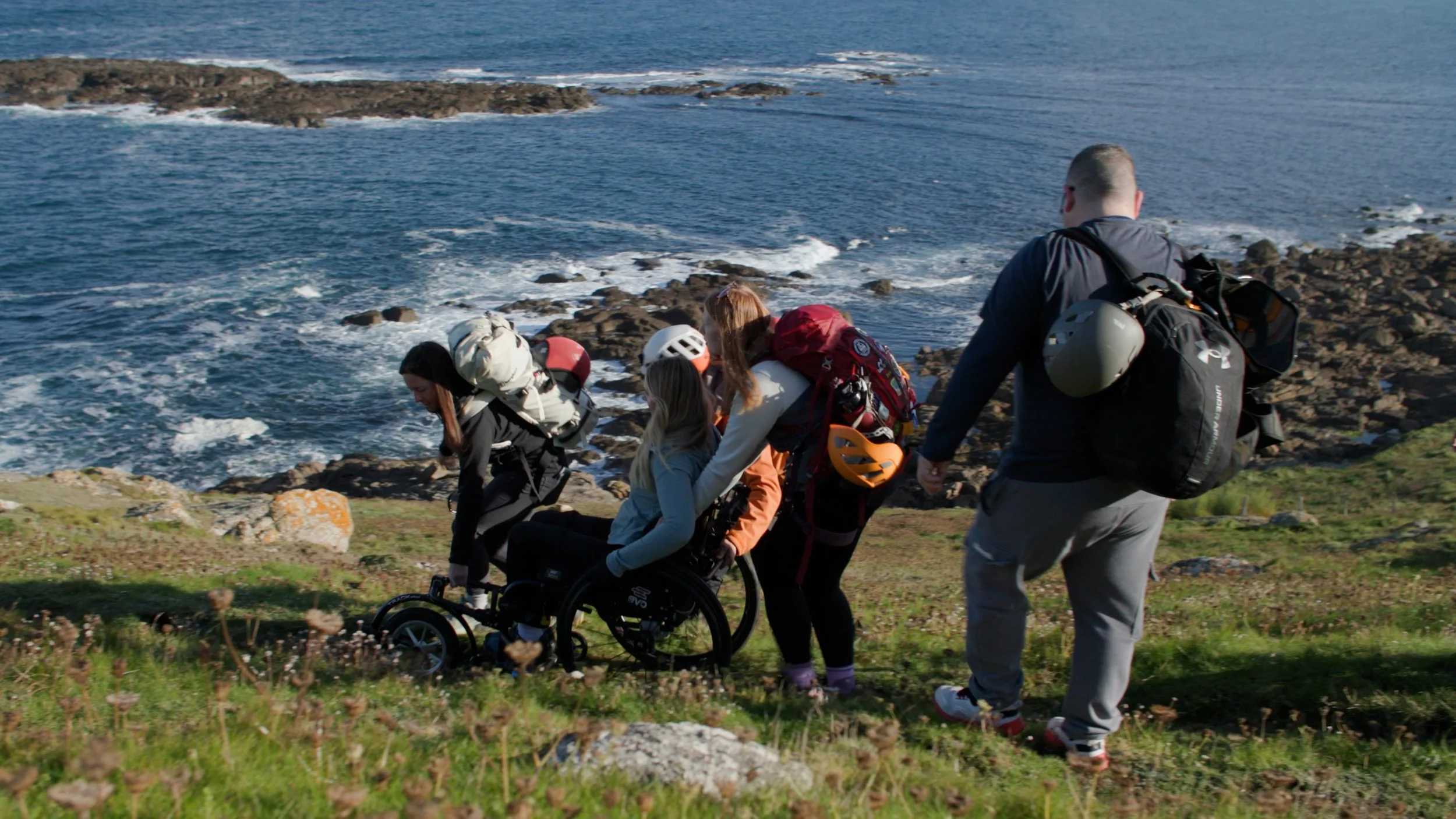
This work has taken me through:designing and co-facilitating adaptive and inclusive outdoor experiences for adults impacted by trauma, disability, and chronic illness
supporting group cohesion, reflection, and meaningful participation
facilitating connection with self, others, and the natural environment
supporting trauma-informed programme delivery
offering 1:1 support within physically and emotionally demanding experiences
supporting resilience balanced with care and somatic awareness in outdoor contexts
-
I am a CPCAB Endorsed Level 2 Group Facilitator alongside my therapy qualifications. I hold an Enhanced DBS Check and Emergency Outdoor First Aid certification.
-
What is the difference between a facilitator and a therapist on a retreat or outdoor programme?
A therapist typically works within a formal therapeutic relationship, whereas a facilitator supports the wider group process, participant experience, and overall programme environment.While my therapeutic training informs my approach, my role within retreats and outdoor programmes is usually focused on supporting emotional wellbeing, psychological safety, group dynamics and reflective processes as a whole, rather than providing ongoing individual therapy.
Why is psychological safety important in outdoor and retreat settings?
Outdoor experiences can be physically, emotionally and psychologically demanding, creating opportunities for challenge and self-discovery. These experiences can often bring emotional responses and moments of vulnerability or uncertainty to the surface.
Psychological safety helps participants feel able to express themselves authentically without fear of judgement, exclusion or pressure during potentially intense and unfamiliar experiences.When people feel emotionally safe within a group, they often feel more able to connect with others, participate in activities and engage in opportunities for growth.
Do participants need to have experienced trauma to benefit from trauma-informed facilitation?No. Trauma-informed practice benefits everyone.
Many of the principles of trauma-informed facilitation, including choice, psychological safety, trust, collaboration and respect for individual needs, contribute to healthier and more inclusive group experiences regardless of participants' backgrounds.
Having emotional support available can help participants feel held and supported while navigating these experiences, contributing to a safer and more meaningful overall experience.
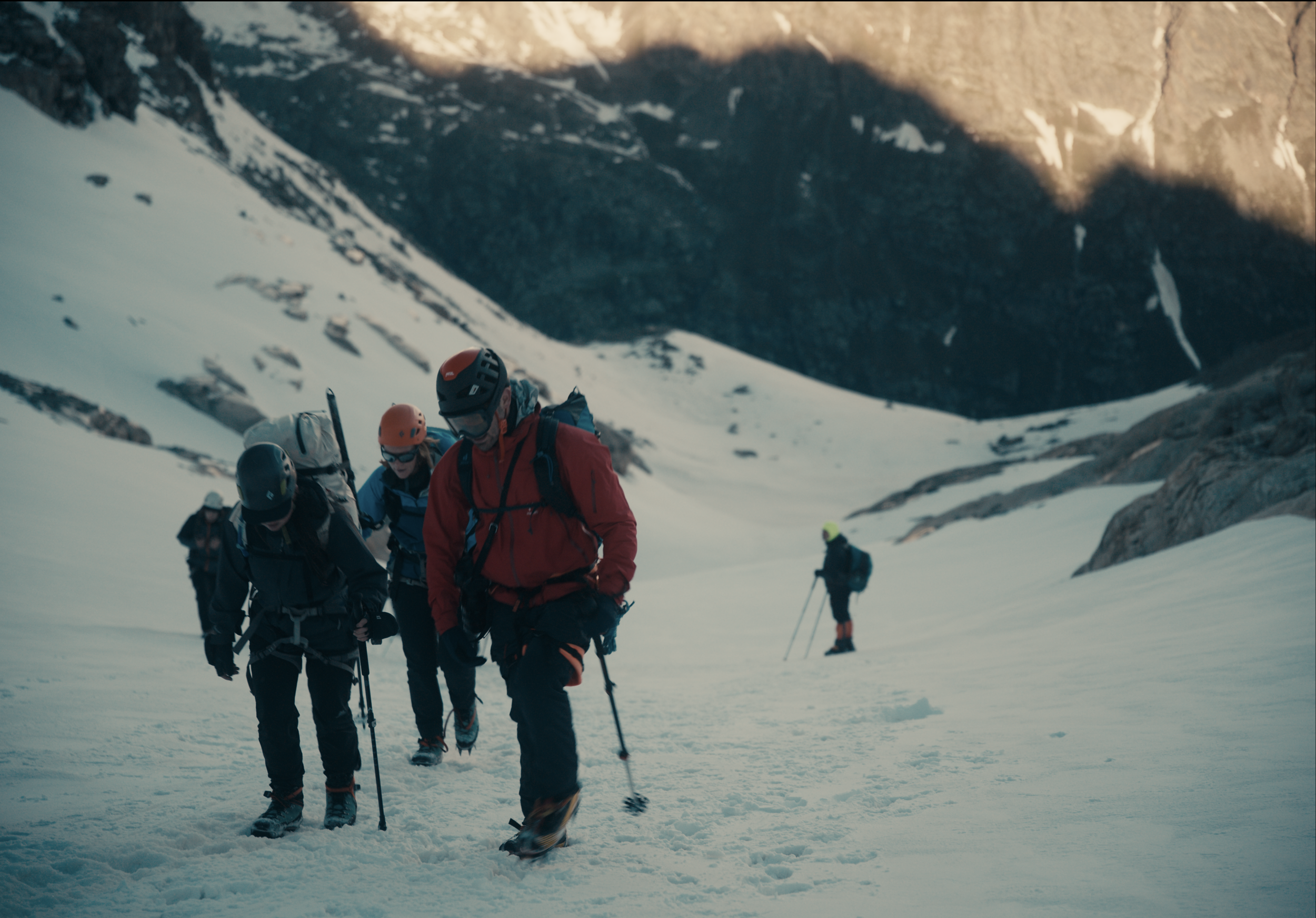
Can you support participants during multi-day expeditions?Yes. I have experience supporting participants throughout multi-day outdoor programmes and expeditions, including adaptive and trauma-informed events for adults navigating significant life challenges.
This may include individual wellbeing support, emotional check-ins, facilitating reflection and helping participants engage with the experience in ways that feel sustainable and supportive.
Can you support accessible and inclusive outdoor programmes?Yes. I have experience supporting adaptive, accessible and inclusive outdoor programmes for adults affected by trauma, disability and life-changing events.
I am particularly passionate about helping create environments where participants can engage in ways that work with their individual needs, capacities and lived experiences.
Where are you available to collaborate?I am based in the UK and work with organisations across the country. I am also open to collaborations in international settings.
I collaborate with expedition organisers, charities, retreat providers, and outdoor leaders to bring trauma-informed facilitation and on-the-ground therapeutic support to outdoor wellbeing spaces and recovery programmes.
Contact
If you’d like to explore working together, you are welcome to get in touch using the contact form or by email: rosie@rosieking.co.uk